Most Australian e-commerce sites leave critical security gaps open, risking costly breaches and lost trust. You need strong protections that don’t slow your site or frustrate customers. This guide breaks down essential e-commerce security Australia demands—from TLS 1.3 to multi-factor authentication—to keep your Shopify or WooCommerce store safe and compliant. Book a free security audit with Defyn and get a tailored plan that keeps your business protected and running smoothly.
Essential Australian E‑Commerce Security
E-commerce security is crucial for maintaining customer trust and ensuring smooth operations. Let’s dive into the essentials you need to protect your Australian online store.
TLS 1.3 and HSTS Explained
Imagine your data being intercepted as it travels online. That’s where TLS 1.3 comes in. It encrypts the data, safeguarding it from prying eyes. This latest version offers faster and more secure connections than its predecessors. HSTS helps by ensuring all connections to your site are secure. It prevents users from accidentally visiting an unsecured version of your site. Together, these technologies bolster your site’s security, keeping customer data safe and your business compliant.
Web Application Firewalls (WAF)
Think of a Web Application Firewall (WAF) as a security guard for your website. It stands between your server and incoming traffic, filtering out malicious requests. Many attacks, like SQL injections, are stopped before they can do harm. A WAF can also adapt, learning from new threats and keeping your site safe without disrupting user experience. With a WAF in place, your e-commerce platform stays secure, allowing you to focus on growing your business.
DDoS Protection and CDN Australia
A sudden flood of traffic can cripple your website, but DDoS protection ensures that doesn’t happen. It detects and mitigates such attacks, keeping your site running smoothly. Pair this with a Content Delivery Network (CDN), and you’re set. A CDN distributes your content across multiple servers, speeding up delivery to users. This combination not only protects but also enhances performance, ensuring your customers have a seamless shopping experience.
Strengthening E‑Commerce Sites
Boosting your site’s defences involves more than just basic security. Implement advanced measures to ensure long-term safety and performance.
Bot Mitigation and Rate Limiting
Bots can wreak havoc on your site, scraping data or attempting brute-force attacks. Bot mitigation tools identify and block malicious bots while allowing genuine traffic through. On top of this, rate limiting controls the number of requests a user can make, preventing overloads or abuse. By managing traffic effectively, you maintain site integrity and user trust.
PCI DSS Compliance Australia
Handling payments securely is non-negotiable. PCI DSS compliance ensures your site meets global security standards for credit card transactions. This compliance protects customer data and minimizes breach risks. Think of it as a seal of trust that reassures your customers their information is safe, encouraging repeat business and loyalty.
Multi‑Factor Authentication (MFA) Basics
Adding another layer of security can thwart unauthorized access. Multi-Factor Authentication (MFA) requires users to provide two or more verification factors. This could be something they know (password), something they have (smartphone), or something they are (fingerprint). By implementing MFA, you add a robust defence against hackers, ensuring only legitimate users gain access to your platform.
Practical Security Measures
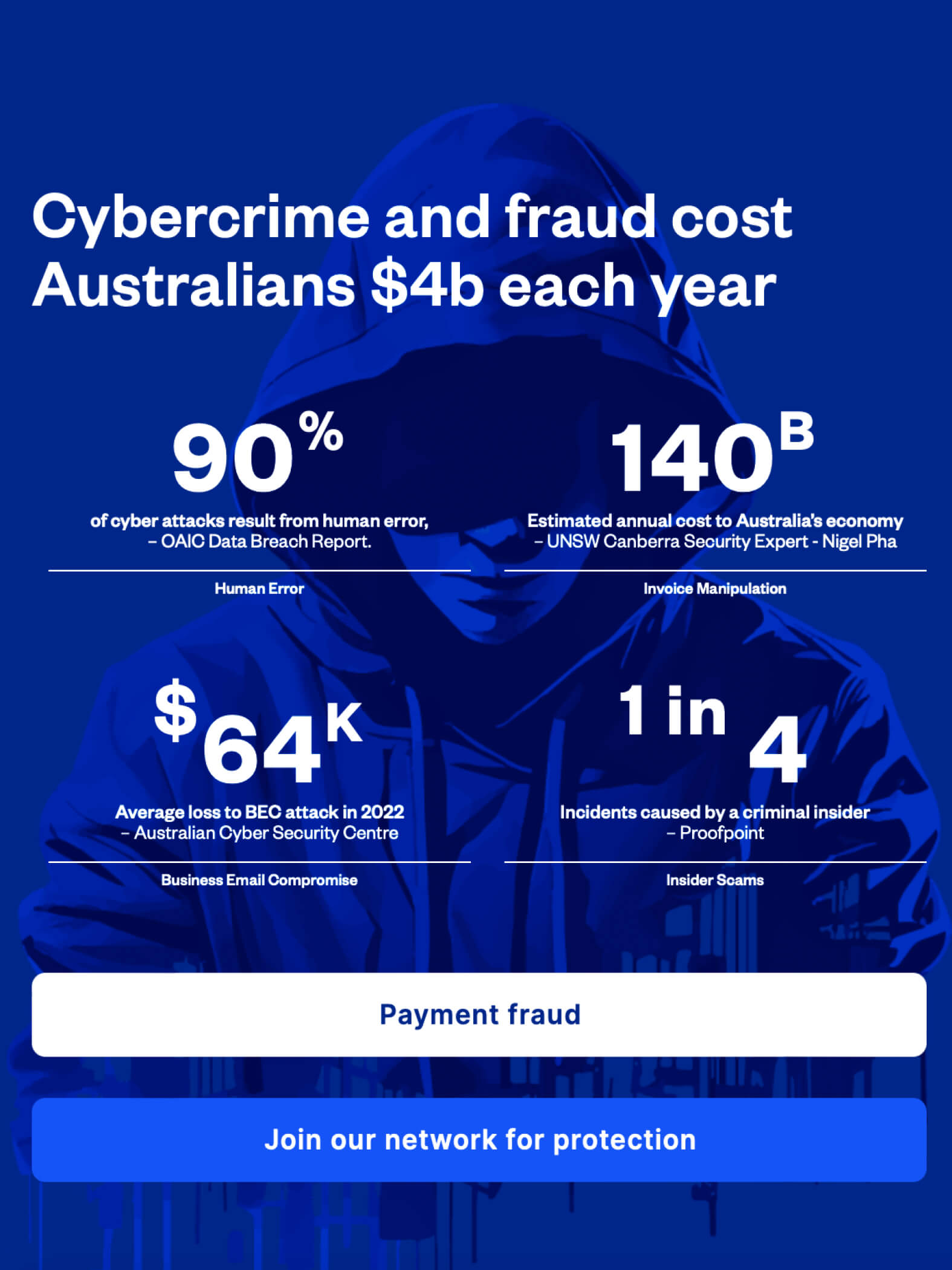
Beyond basic security, these practical measures ensure your site remains robust against evolving threats.
Automated Backups and Disaster Recovery
Data loss can be catastrophic, but automated backups save the day. Regularly backing up your data ensures it’s not lost to cyber-attacks or hardware failures. Combined with a disaster recovery plan, you can restore operations swiftly. This preparation gives peace of mind, knowing your business can bounce back from unexpected setbacks.
Vulnerability Scanning and Pen Testing
Identifying weak spots before attackers do is crucial. Vulnerability scanning checks your systems for known flaws, while penetration testing simulates attacks to find new vulnerabilities. These proactive measures allow you to fix issues ahead of time, fortifying your site against potential threats.
Plugin Vetting and Malware Scanning
Plugins enhance functionality but can introduce risks. Plugin vetting ensures you only install reputable, regularly updated extensions. Meanwhile, malware scanning detects and removes malicious software that could compromise your site. By keeping a keen eye on these aspects, you safeguard your platform, ensuring a secure and smooth shopping experience for your users.
By implementing these security measures, your e-commerce platform will stand strong against threats, ensuring customer trust and business continuity.