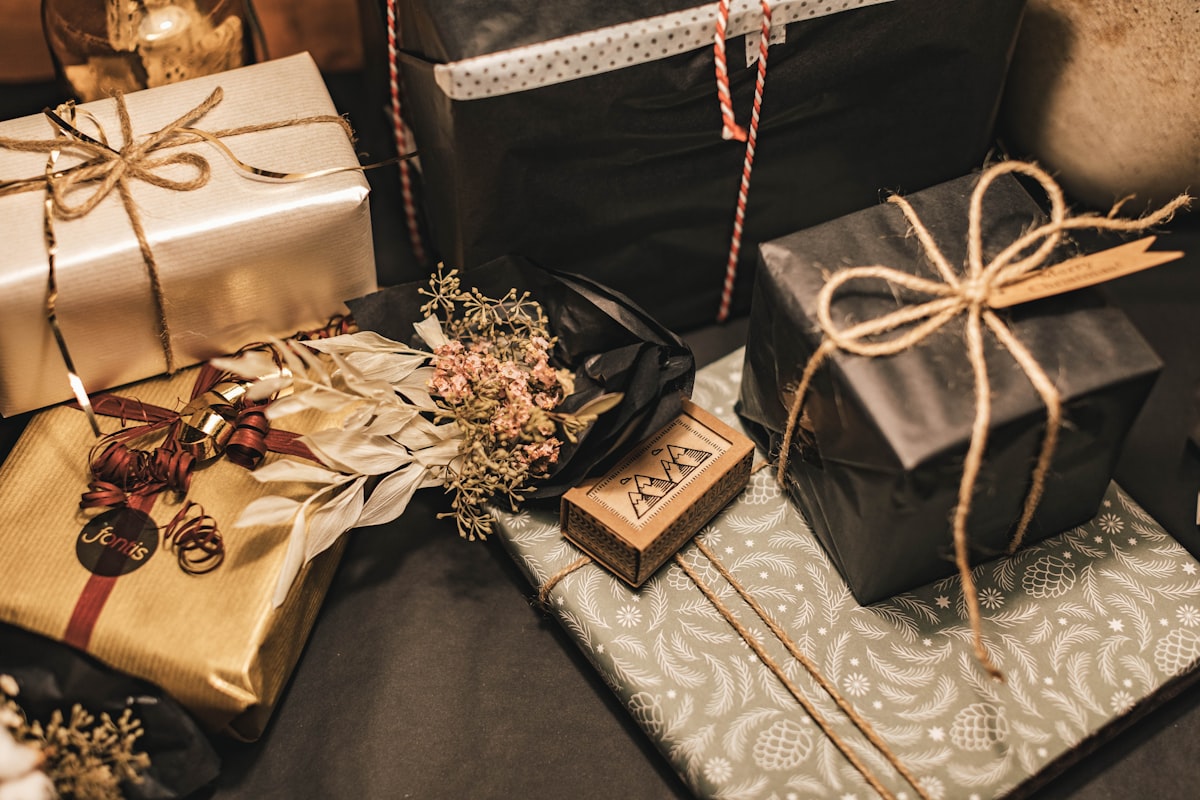
A starter kit bundle is one of the most effective offers a store can run, because it removes the biggest objection a first-time buyer has, the question of what to buy first. Done well, a starter kit lifts the opening order and introduces several products in one go.
The hardest order to win is the first one. A new customer does not know your products yet, is not sure what goes with what, and is wary of spending too much before they trust you. A starter kit bundle answers all three worries at once, which is why it is one of the most effective bundles you can offer.
In this guide to starter kit bundle:
- Why starter kits work
- How to build a good one
- Letting customers personalise
- What goes inside, and why less is more
- Frequently asked questions
Why starter kits work
A starter kit removes the guesswork. It says here is everything you need to begin, chosen for you. That confidence is exactly what a hesitant first-time buyer needs. It also lifts the first order above a single item and introduces the customer to several products at once, which sets up repeat purchases later.
How to build a good one
- Include only what a beginner genuinely needs, not your whole range
- Offer a modest saving over buying the items separately
- Explain in plain words why each item is in the kit
- Let curious shoppers swap a product or two so the kit feels like theirs
Let them personalise
A flexible starter kit, where the customer picks a few items within your guidance, converts well because it combines confidence with control. You can build this on Shopify with Bundle MixMatch, letting first-time buyers assemble their own kit while you still capture the larger opening order.
Win the first order with a kit that makes starting easy, and you do more than make a sale. You begin a relationship with a customer who now knows your products and has a reason to come back.
What goes inside a starter kit bundle and why less is usually more
The temptation when building a starter kit bundle is to include everything a customer might possibly want. The starter kits that convert tend to do the opposite. Three or four products, each clearly necessary, each clearly explained, beats a six or seven item kit that feels overwhelming.
The reason is the buyer state. A first-time customer is uncertain. They want a recommendation, not a menu. Every additional product in the starter kit asks them to verify one more decision they did not want to make.
- Three to four products, no more, especially for first-time buyers
- Explain the role of each item in one short sentence
- Offer a small saving over buying separately, not a big one
- Allow a swap or two so the kit feels personal rather than prescribed
For the broader category context on starter products, see the Harvard Business Review summary of choice overload research, which explains why constraint converts better than abundance for new buyers.
Onboarding economics behind a strong starter kit bundle
A starter kit bundle is an onboarding tool dressed up as a product offer. The buyer is at the start of a relationship with the brand, and the kit either smooths or roughens that first experience. A well-designed kit reduces the time to first value, the period between the order arriving and the buyer feeling that the brand has delivered on its promise.
The shorter that period, the more likely the customer is to come back. Every additional product, every confusing instruction, every assumption about prior knowledge stretches the time to first value and reduces the probability of a second order. The starter kit that converts to repeat purchase is usually the simplest one, not the most generous one.
This onboarding-led thinking is borrowed from software, where time to first value is one of the most studied metrics.
For the underlying framework, the Wikipedia entry on customer onboarding covers how the discipline approaches first-time experience design.
Frequently asked questions
What should a starter kit include?
Only what a beginner genuinely needs. A short, focused set converts better than a maximalist one.
Should I let customers swap items?
If you can, yes. A flexible starter kit gives shoppers confidence and control at the same time.
How big should the saving be?
Modest. Enough to feel like a deal, not so deep that the kit feels like a clearance offer.
Related reading