How to Build a Brand System that Stays Consistent Across Every Touchpoint
Building a brand system that keeps your identity consistent across every channel isn’t just a nice-to-have—it’s essential for standing out in today’s crowded market. You’ve probably felt the frustration when your website, socials, and packaging don’t quite speak the same language. This guide shows how to create a brand system that ties everything together, so your message stays clear and your brand grows stronger with every touchpoint. Keen to lock in brand consistency? Book a free 30-minute brand system consult with Defyn today. Find out more about building brand consistency across channels.
Building a Scalable Brand System

Importance of Brand Consistency
Imagine walking into a store and nothing matches the brand’s online presence. Inconsistent branding can confuse customers and dilute your message. Consistency ensures that every interaction, whether online or offline, reinforces your brand’s identity. This alignment boosts recognition, trust, and loyalty among your audience.
Components of a Brand System
A well-structured brand system includes several key elements. First, your visual identity: logos, colours, and typography. Next, the tone of voice: how your brand speaks to its audience. Finally, the content governance: rules that guide how your brand communicates across different platforms. Together, these components ensure a clear and unified brand image.
Benefits of a Unified Approach
When everything works together, you create a seamless experience for your customers. A unified approach ensures that your brand stands out in a crowded marketplace. This consistency can lead to increased customer engagement and higher conversion rates. It’s not just about looking good; it’s about building a brand that resonates and endures.
Crafting Your Brand Guidelines
Defining Your Visual Identity
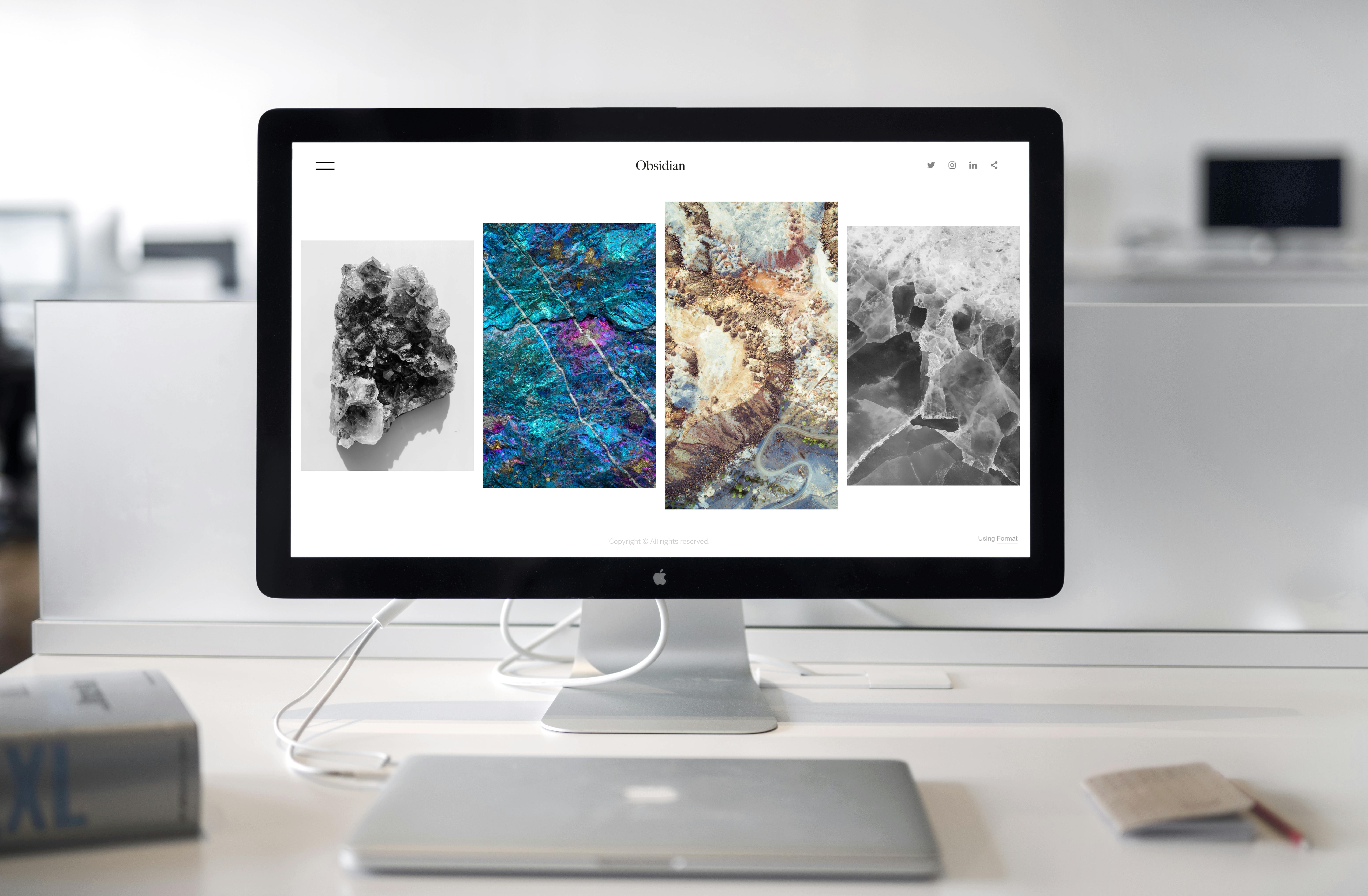
Your visual identity is the face of your brand. Start by choosing a colour palette that reflects your brand’s personality. Combine this with a typography scale that complements your message. Consistency in these elements helps create a memorable brand image. Remember, the goal is to be recognisable at a glance.
Creating a Comprehensive Style Guide
A style guide is your brand’s rulebook. It outlines how to use your visual and verbal elements across all channels. This guide should cover everything from logo usage to email templates. By doing so, you ensure that everyone involved in your brand’s communication stays on the same page. A well-crafted style guide is your secret weapon for maintaining brand consistency.
Developing a Figma UI Kit
A Figma UI kit is vital for digital consistency. It includes components like buttons and forms that align with your brand’s visual identity. This kit makes it easier for designers and developers to build interfaces that look cohesive. When your digital assets are in sync, your brand appears more professional and trustworthy.
Implementing and Maintaining Consistency

Utilising Digital Asset Management (DAM)
A Digital Asset Management (DAM) system keeps all your brand assets in one place. This tool ensures everyone has access to the latest versions of your logos, images, and documents. With a DAM, there’s no room for outdated or inconsistent visuals. It streamlines collaboration and maintains quality across the board.
Integrating with WordPress and Shopify
For online consistency, integrate your brand system with platforms like WordPress and Shopify. These platforms allow you to carry your brand’s look and feel into web and e-commerce spaces. By doing this, you maintain a cohesive experience for your customers, from browsing to checkout.
Ensuring SEO and Performance Standards
Good branding isn’t just about visuals; it’s also about performance. Ensure your website meets SEO strategy and performance optimisation standards. This includes fast loading times and mobile responsiveness. A well-optimised site not only supports your brand image but also enhances user experience, leading to better engagement and conversion rates.
In conclusion, building a consistent brand system is key to standing out. Each element, from your visual identity to your digital assets, must work together seamlessly. This approach not only strengthens your brand but also builds trust and loyalty with your audience. Ready to take your brand to the next level? Consider partnering with Defyn, your strategic ally in digital transformation.