
How to Build a Brand System That Stays Consistent Across Every Touchpoint
Brand consistency isn’t just a nice-to-have; it’s what builds trust and recognition across every channel. Yet, many Australian businesses struggle to keep their message and look aligned from web to print and in-store. In this post, you’ll get clear steps to create a brand system that holds strong no matter where your audience meets you. Ready to make your brand unmistakable everywhere it appears? Check out this link for more insights.
Building a Consistent Brand System

Crafting a brand system that stands firm across every platform can seem daunting. But with the right steps, you can ensure your brand is instantly recognisable, no matter where it’s seen. Let’s dive into the essential elements of creating a consistent brand system.
Define Your Brand Strategy
Your brand strategy is your guiding star. It’s crucial to have a clear plan that outlines your goals and how you intend to achieve them. Start by identifying what sets your brand apart. What makes your business unique? Is it your customer service, product quality, or innovative approach? Pinpoint these aspects to form the core of your strategy.
Once you’ve established your unique selling points, consider your target audience. Who are they, and what do they need from your brand? Understanding your audience allows you to tailor your messaging and offerings to meet their expectations. This information forms the backbone of your brand strategy, helping you make decisions that align with your brand’s vision.
Lastly, don’t forget to set measurable objectives. Whether it’s increasing brand awareness or boosting sales, having clear goals helps track your progress and make informed adjustments. Your brand strategy is not set in stone. It should evolve as your business grows and market conditions change.
Create a Visual Identity
Your visual identity is how your brand is perceived at a glance. It’s more than just a logo. It encompasses your colour palette, typography, and imagery. Start by choosing colours that reflect your brand’s personality. For instance, blue often conveys trust and professionalism, while green can signify growth and sustainability.
Typography, too, plays a critical role. Select fonts that complement your brand’s tone. Are you aiming for a playful vibe or a more serious one? Your font choice should reflect this. Consistency in typography across all platforms is key to maintaining a cohesive look.
Imagery is another powerful tool. Use images that align with your brand’s message. Whether it’s product photos or lifestyle shots, ensure they are of high quality and consistent in style. A strong visual identity not only makes your brand memorable but also builds trust with your audience.
Develop a Tone of Voice
Your brand’s tone of voice is how you communicate with your audience. It’s the personality that comes through in your writing. Whether it’s friendly and approachable or formal and authoritative, your tone should be consistent across all communications.
Start by defining your tone. Consider your brand’s values and personality. How do you want to be perceived? Use this to guide your choice of words and style. If your brand is about fun and creativity, your language should be lively and engaging.
Consistency is crucial. Your tone should be the same whether you’re writing a tweet or a press release. This uniformity helps build trust and recognition. Remember, your tone of voice is an extension of your brand’s identity. Keep it authentic and aligned with your brand’s values.
Crafting a Cohesive Design System
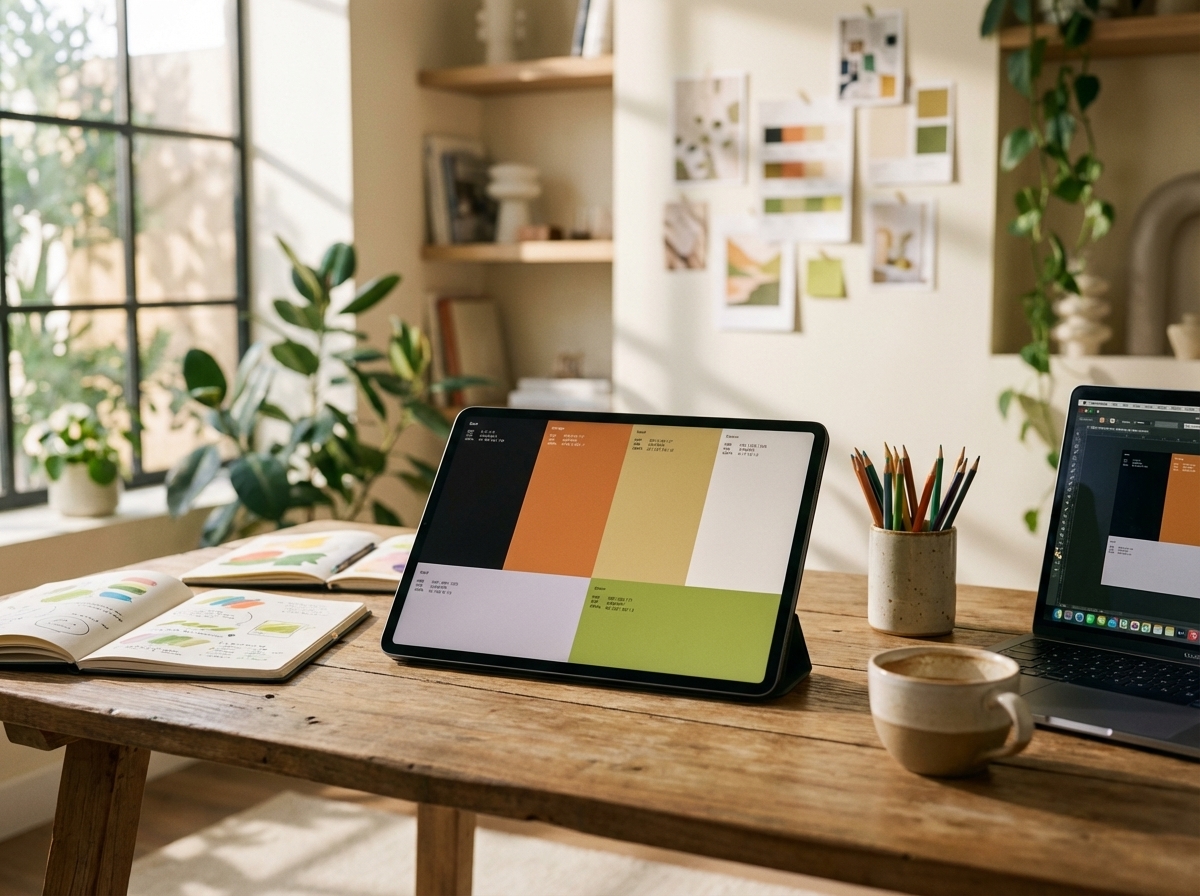
After establishing your brand’s strategy and identity, it’s time to bring everything together into a cohesive design system. This system acts as a blueprint for your brand’s visual and functional elements.
Figma Design System & Component Library
Figma is a powerful tool for creating a consistent design system. It allows you to build a library of reusable components, ensuring your brand’s look remains uniform across all platforms. Start by designing key components such as buttons, forms, and navigation elements. These should reflect your brand’s visual identity and be easily customisable.
A well-organised component library saves time and reduces errors. It provides a single source of truth for your design elements, ensuring everyone on your team is on the same page. This consistency is crucial for maintaining a strong brand presence in all touchpoints.
Moreover, using Figma’s collaborative features, your team can work together seamlessly, making real-time updates and ensuring that everyone is aligned. A well-maintained design system is an investment that pays off in brand uniformity and efficiency.
WordPress and Shopify Theme Systems
Choosing the right theme for your website is essential for brand consistency. WordPress and Shopify offer a range of themes that can be customised to fit your brand’s identity. Start by selecting a theme that aligns with your visual and functional requirements.
Customisation is the key to ensuring your site reflects your brand. Adjust colours, fonts, and images to match your visual identity. This ensures that your website is an extension of your brand, providing a seamless experience for your visitors.
Both WordPress and Shopify offer flexibility in design and functionality, making them ideal for businesses looking to maintain brand uniformity. A well-designed website not only attracts visitors but also builds trust and encourages engagement.
Accessibility and Performance Optimisation
Brand consistency isn’t just about looks. It’s also about ensuring everyone can access your brand, regardless of their abilities. Prioritising accessibility is crucial for reaching a wider audience. Ensure your website is easy to navigate, with clear headings and alt text for images. This not only helps users with disabilities but also improves your site’s SEO.
Performance optimisation is another critical aspect. A fast-loading website enhances user experience and reduces bounce rates. Optimise images, leverage browser caching, and minimise code to ensure your site runs smoothly. A well-performing site reflects a professional brand image, building trust with your audience.
Remember, accessibility and performance are integral to a successful brand system. They ensure your brand is not only consistent but also inclusive and efficient.
Establishing Brand Governance and Support

Having a strong brand system in place is just the beginning. Ensuring it stays consistent over time requires robust governance and ongoing support.
Brand Guidelines and Style Guide
Brand guidelines are your rulebook for maintaining consistency. They outline how your brand should be represented across various platforms. From logo usage to typography and colour schemes, these guidelines ensure everyone knows how to use your brand assets correctly.
A style guide goes hand-in-hand with your brand guidelines. It provides specific instructions on writing style, tone of voice, and content formatting. This ensures your communication is consistent, whether it’s on social media, emails, or print materials.
Creating comprehensive guidelines and style guides is an investment in your brand’s future. They provide clarity and direction, ensuring your brand remains consistent as it grows and evolves.
Digital Asset Management and Governance Frameworks
Managing your brand assets effectively is crucial for maintaining brand consistency. Digital Asset Management (DAM) systems provide a centralised location for storing and organising your brand assets. From images to documents, having everything in one place ensures easy access and reduces the risk of inconsistencies.
Governance frameworks outline the processes and responsibilities for managing your brand assets. They ensure everyone understands their role in maintaining brand consistency. This includes regular audits to identify and address any discrepancies.
By implementing a DAM system and governance framework, you can ensure your brand assets are used correctly and consistently. This strengthens your brand’s identity and builds trust with your audience.
Ongoing Support and Australian Hosting
Consistency is not a one-time effort. It requires ongoing support and maintenance. Partnering with a trusted provider like Defyn ensures your brand receives the attention it needs to stay consistent.
Australian hosting offers several benefits, including faster load times and better SEO for local searches. It also provides peace of mind, knowing your data is stored securely within Australia.
Ongoing support means you have access to experts who can help with updates, troubleshooting, and performance optimisation. This ensures your brand remains consistent and competitive in a rapidly changing market.
In conclusion, building a consistent brand system involves defining your strategy, creating a visual identity, developing a tone of voice, crafting a cohesive design system, and establishing robust governance. By following these steps, you can ensure your brand is recognised and trusted, no matter where it’s seen.