
Most businesses chase SEO rankings without thinking about the real driver: user experience. Your website’s design and ease of use shape how visitors engage and how search engines rank your pages. This post breaks down why improving user experience is key to smarter SEO and stronger online visibility—plus, how your digital strategy can benefit from it. For more insights, check out this article.
Importance of User Experience for SEO

Understanding the link between user experience and search ranking can open new doors for your business. Let’s look at how engaging users affects where you sit on search engines.
User Engagement and Search Rankings
Think about this: A visitor lands on your page, and within seconds, they’re gone. This “bounce” can signal to search engines that your site isn’t providing what users want. But when users stay longer, engaging with your content, search engines take notice. They begin to see your site as valuable, boosting your ranking.
To keep users engaged, content must be relevant and intuitive. You need to answer their questions quickly and clearly. When a business nails down this aspect, it often sees a notable rise in its search ranking. Learn how engagement impacts your SEO.
UX Design Principles for Better SEO
Your website’s design is more than just aesthetics—it’s the blueprint for how users interact with your content. First impressions matter. A cluttered design can turn visitors away, but a clean, well-structured site invites exploration. Important elements include readable fonts, fast loading times, and mobile-friendly layouts.
Visual hierarchy guides users effortlessly through your site. Consistent design elements help users know where they are and where they can go next. When users find what they need without frustration, they’re likely to stay longer, boosting your SEO. Explore more on how UX principles enhance SEO.
Strategies for Enhancing User Experience
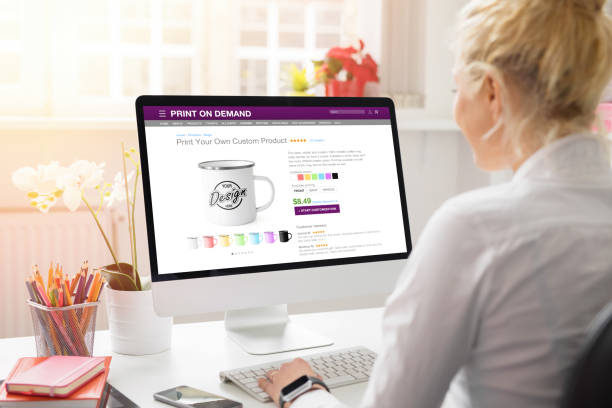
Elevating user experience can transform your digital strategy. Let’s dive into practical ways to make your website more inviting and user-friendly.
Simplifying Web Design
Complex designs might look impressive, but simplicity often wins the day. Users prefer clean, straightforward designs that guide them naturally. Here are some tips to simplify your design:
-
Limit Colour Palettes: Stick to two or three colours to avoid overwhelming users.
-
Use White Space: It helps break up content and makes it more digestible.
-
Prioritise Mobile Design: With mobile traffic on the rise, ensure your site looks and functions well on smaller screens.
A simple design not only makes navigation easier but also speeds up load times, a critical factor for SEO. When users enjoy their visit, they’re more likely to return. Check out more on web design simplification.
Improving Site Navigation
Navigation is the backbone of a user’s journey through your site. If users can’t find what they’re looking for quickly, they won’t stick around. Organise your menu logically, with clear labels that describe the content behind them.
Breadcrumbs can also aid navigation by showing users their path and allowing easy backtracking. A good search function is essential, especially for larger sites. These elements together create a seamless experience that users appreciate and search engines reward. Explore navigation strategies to improve SEO.
Benefits of a Strong Digital Strategy

Building a robust digital strategy can enhance your online visibility and optimise your website, driving sustainable growth.
Boosting Online Visibility
A strong digital strategy positions your business prominently on search engines, drawing in more visitors. Consistently high-quality content crafted with SEO in mind increases your site’s authority. Regularly updating your site keeps it relevant, which appeals to both users and search engines.
Social media integration is another crucial aspect. Sharing your content across platforms increases its reach and invites more traffic back to your site. Each of these elements, when strategically combined, significantly boosts your online presence.
Website Optimisation Techniques
Website optimisation goes beyond just keywords. It’s about creating a site that runs smoothly and efficiently. Begin with a thorough audit to identify problem areas. Focus on improving load times and ensuring your site is mobile-responsive.
Consider implementing structured data to help search engines understand your content better. Regularly update your meta tags and descriptions to reflect current offerings. These techniques not only enhance user experience but also improve your site’s SEO, setting the stage for long-term success.
🎯 Contact Defyn Digital today to boost your SEO with our expert UX strategies! 🌟 Talk to us
Understanding and applying these principles can be your ticket to a more visible, engaging online presence. The longer you wait, the more opportunities you miss. Ready to start your journey towards better SEO and user experience? Let’s make it happen together.